
The binder on the shelf is thirty years old, its edges yellowed and warped from humidity, filled with carbon-copy incident reports that read like typographical ghosts of one another. Every twenty-four months, the binders are swapped out for glossy digital PDFs, yet the narrative remains stubbornly identical. A technician slips on the same wet grating. A crane operator misjudges the swing radius in the same blind spot. The investigation committee convenes in the third-floor conference room, sips lukewarm water from paper cups, and issues the exact same corrective action they wrote in nineteen-ninety-four: Retrain personnel on situational awareness.
The organization is not learning. It is looping.
When an enterprise runs the same disaster playbook across decades while continuously doubling down on mandatory compliance slide decks, it operates under a profound biological misapprehension. Your safety culture is not a cultural artifact managed by posters in the breakroom. It is a neural architecture. The organization’s collective brain has stopped being plastic. It has calcified into rigid physiological pathways that no amount of slide-deck repetition can soften or rewrite.
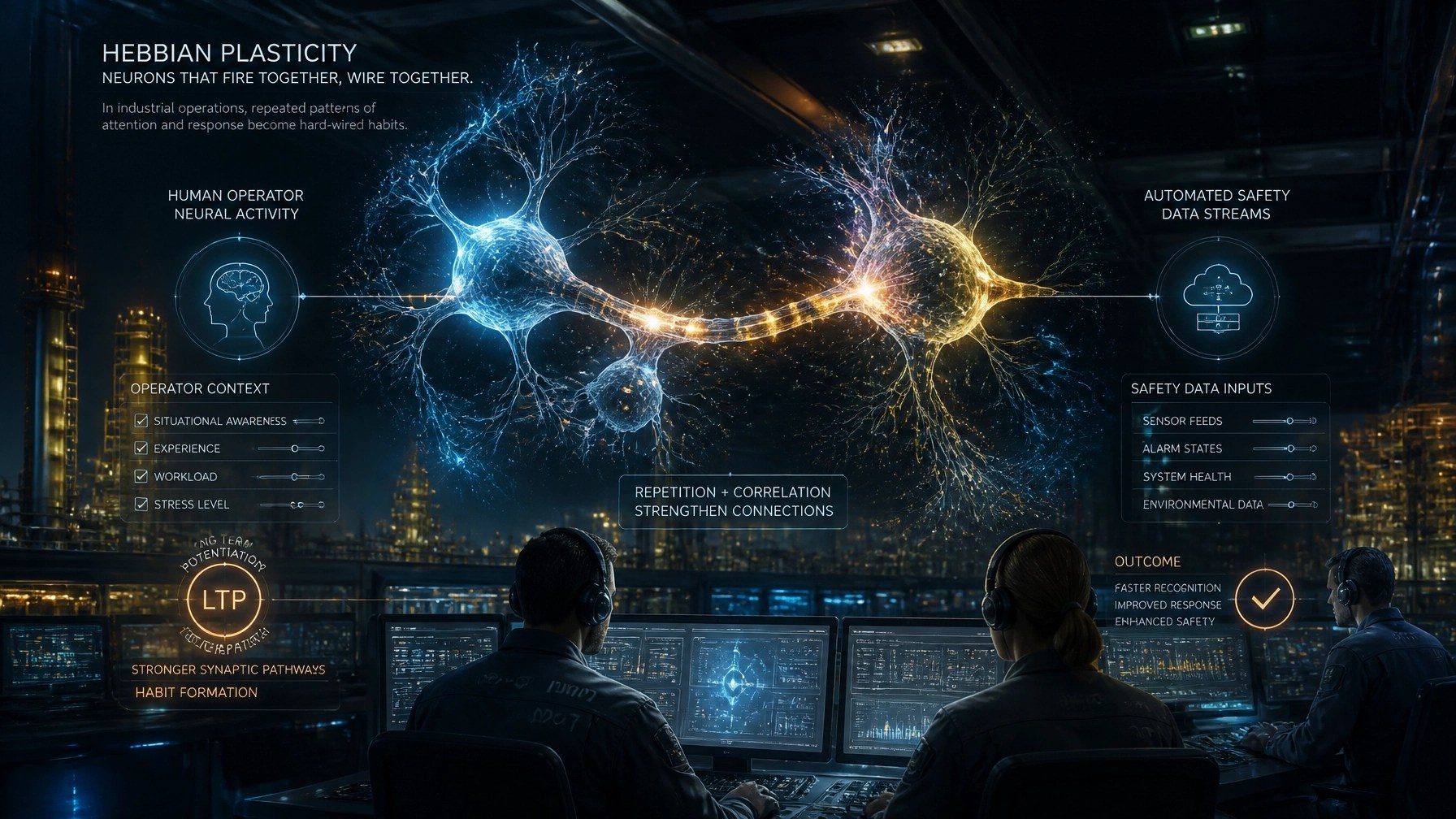
Neurons that fire together wire together. Every time an operator bypasses an interlock to meet a throughput quota because management quietly rewards speed over compliance, a microscopic dendritic spine solidifies. The collective nervous system of the enterprise carves a deep, frictionless canyon of habit. You can mandate ten thousand hours of safety briefings, but if the underlying environment reinforces the shortcut, the brain takes the path of least electrical resistance every single time. It chooses survival through speed over survival through protocol.
The organization in The Plastic Organization is trapped within this rigid neural topography. When the physical environment remains stagnant, the human nervous system adapts to the pathology of the system. Circadian desynchronization and fatigue compound this neural hardening. Timed physical activity is one of the cues (zeitgebers) that can help reset disrupted body clocks. Yet organizations rarely provide equivalent structural interruptions for their operational thinking. They expect static minds to navigate dynamic hazards.
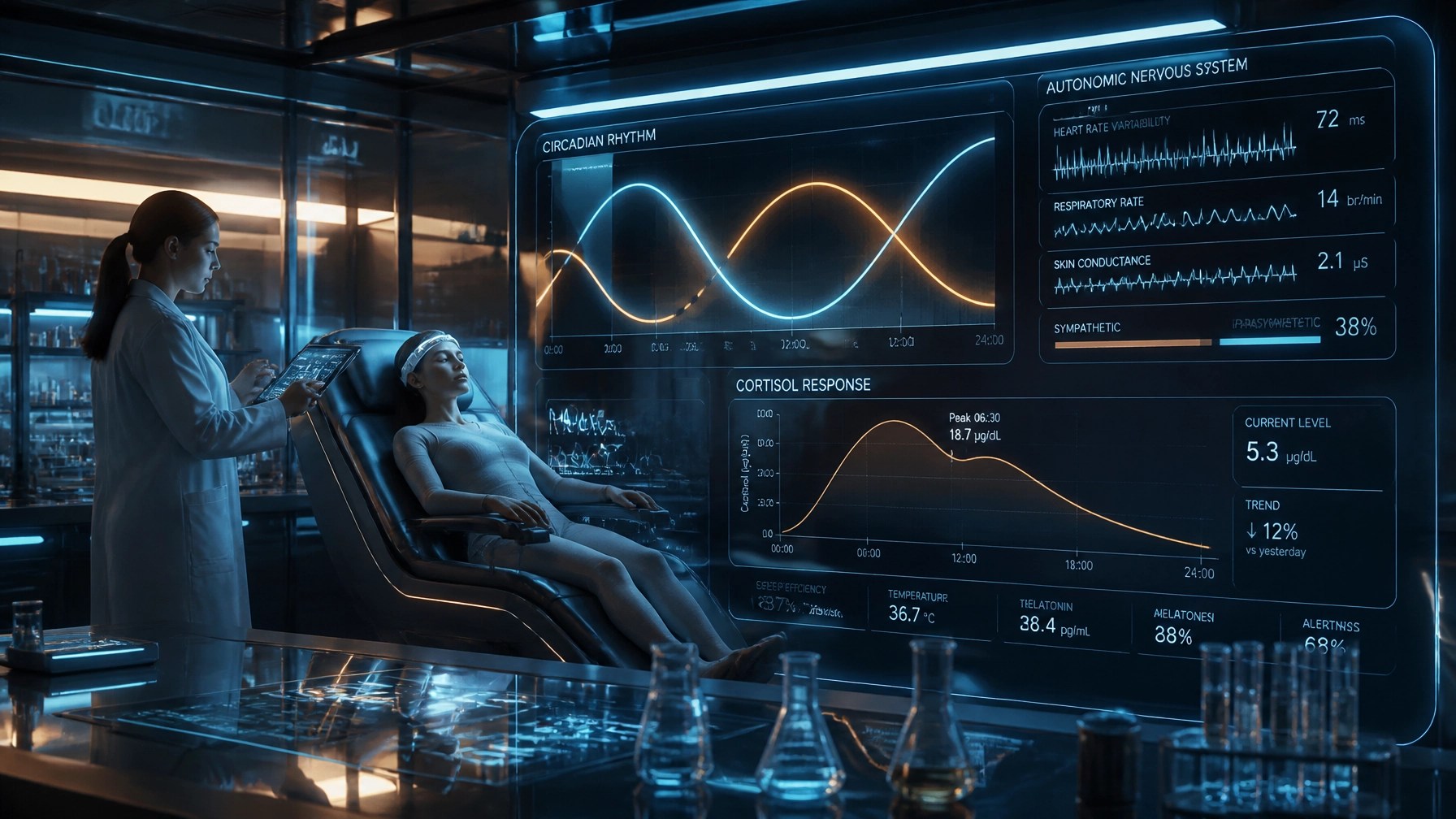
Without deliberate, systemic interventions that force the nervous system out of its default mode network, safety culture devolves into ritualized theater. When you control your cognitive focus and internal representations, you govern the biological state you broadcast across your team. An enterprise that has never learned to interrupt its own neural firing patterns is entirely at the mercy of its most automated, dangerous impulses.
Field Note: The Neural Culture Diagnostic
- Isolate one safety incident type that has repeated in your facility or organization for more than five consecutive years without a genuine drop in frequency.
- Pull the corrective action reports filed for that specific incident across the last decade and verify how many times retraining or policy revision was prescribed.
- Map the operational incentives surrounding the task to identify what immediate reward (such as time saved or production quota met) reinforces the shortcut.
- Introduce a single, disruptive environmental constraint that forces the crew to physically pause and execute the task via an entirely novel motor and cognitive sequence.
- Track whether the disruption successfully breaks the automatic firing pattern or if the system immediately works around the new constraint.
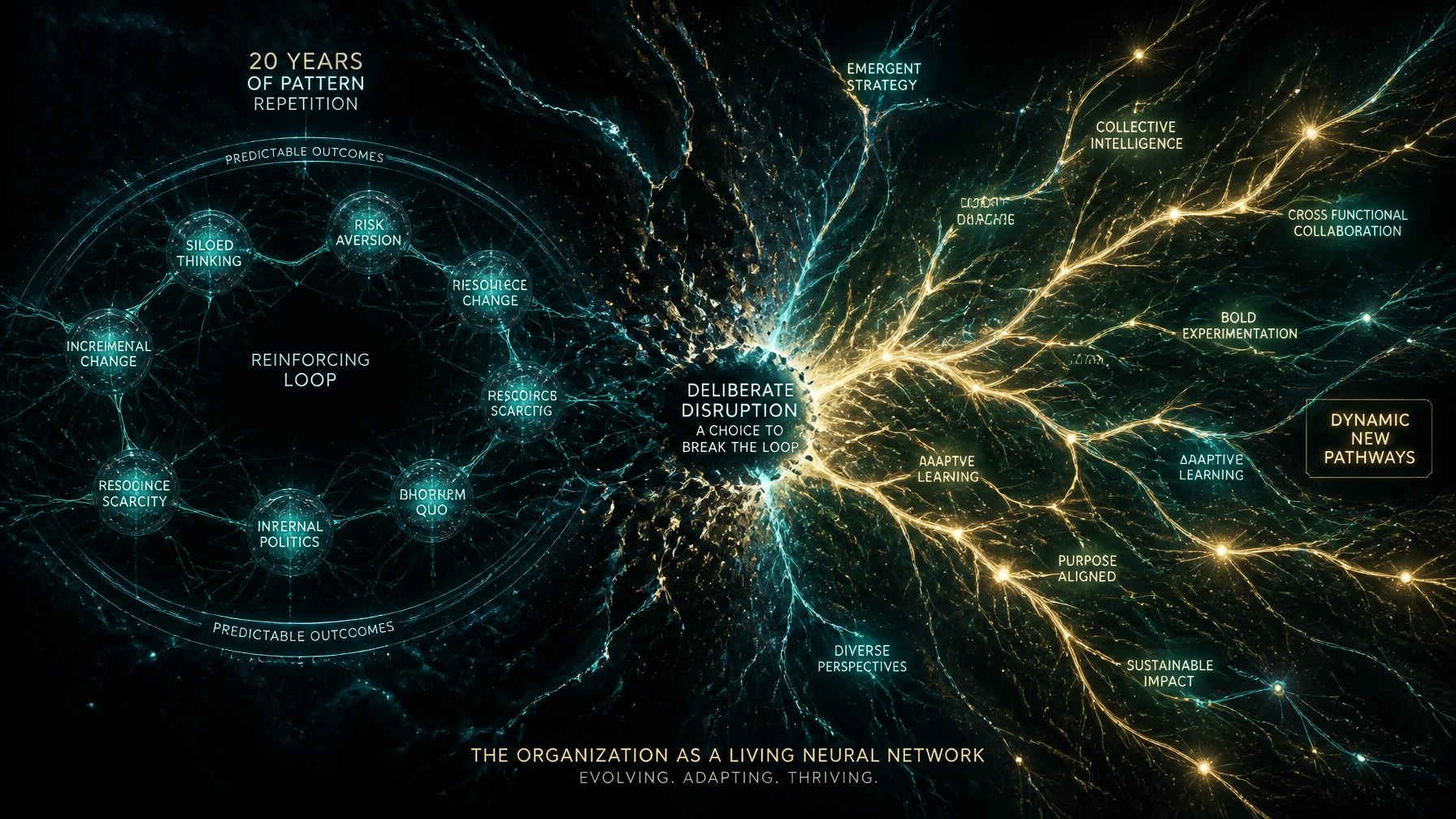
If your safety culture is a neural problem, not a training problem, what is the cost of the pattern that has been repeating for 20 years : and who pays for the plasticity that the organization has lost?
Scenes in this article are illustrative composites, not accounts of specific events.