
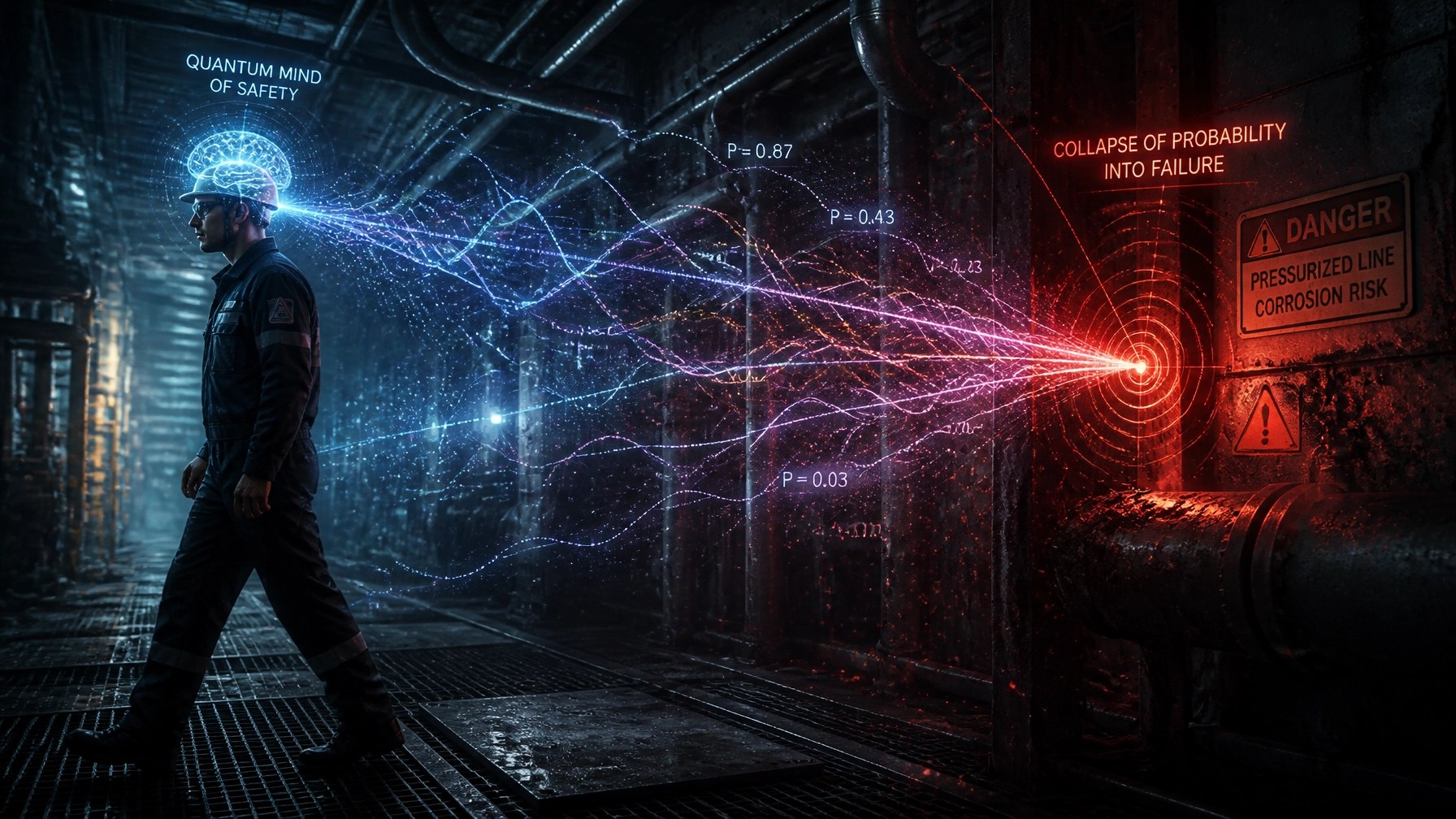
He walks the catwalk with his hard hat tilted back just enough to show the silver at his temples, carrying thirty years of unbroken service like an invisible medal pinned to his chest. Every hand on the floor knows his stride, respects the weight of his authority, and listens when he speaks about zero tolerance and standard operating procedures. Yet his familiarity with the steel, the steam, and the silence of the turbine hall has carved deep grooves into his visual cortex. He does not see the hairline fracture in the mounting bracket three feet to his right because his brain has categorized that exact angle of gray iron as safe a thousand times before.
Voluntary vigilance is a comforting fiction we tell ourselves in carpeted conference rooms while spreadsheets project compliance metrics onto white walls. Expertise does not sharpen perception; it dulls it by automating the search pattern. The longer a human being operates within a high-hazard environment, the more efficient their neural network becomes at deleting the familiar. What looks like competence is actually a well-rehearsed blindness, an optimized filtering mechanism that actively discards anomalies before they ever cross the threshold of conscious awareness.
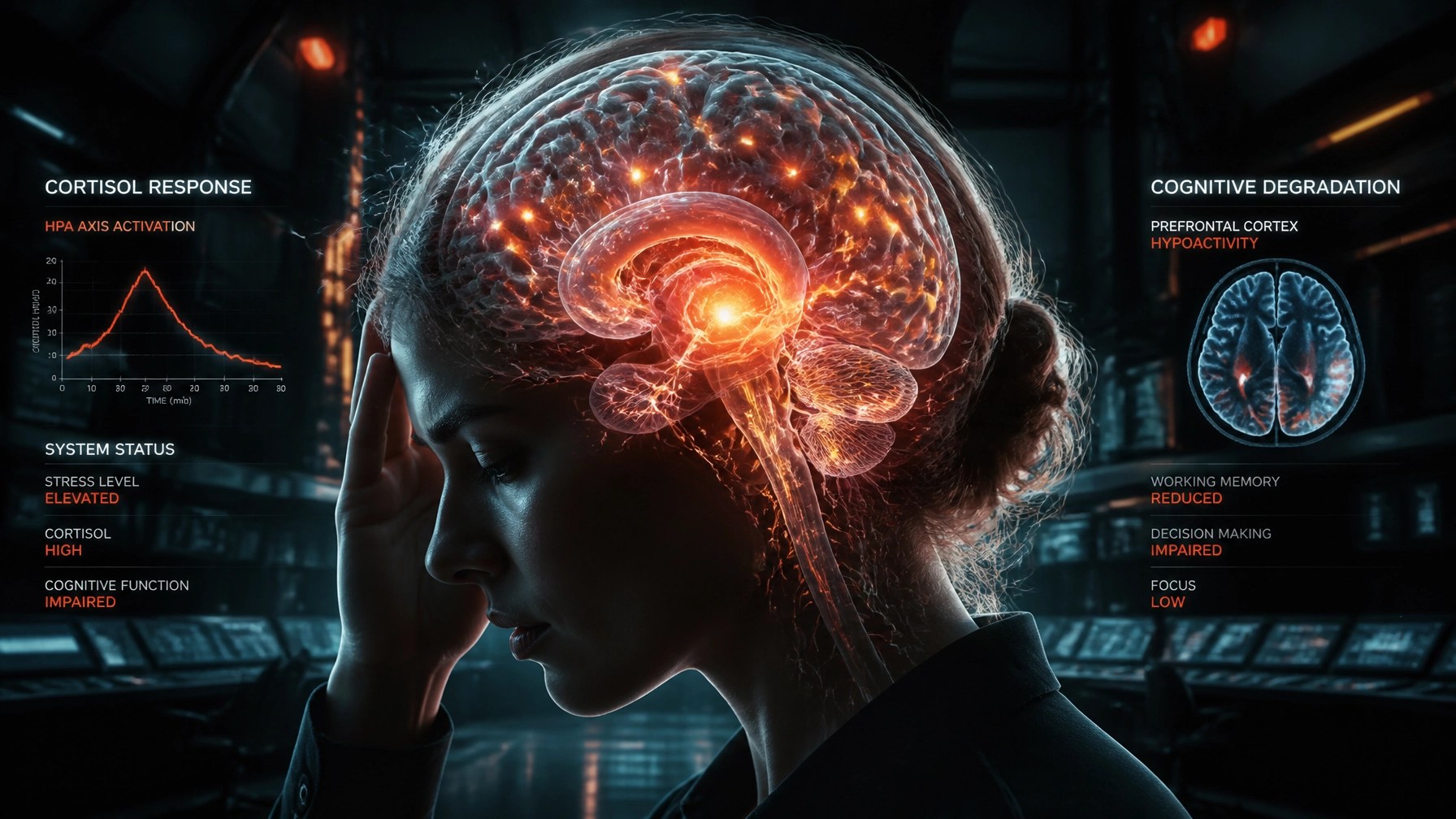
That biological filter operates as the foundational architecture of the Cognitive Reliability Model, serving as the hidden operating system behind every split-second operational choice. When an unexpected vibration rattles the compressor housing and the pressure alarms begin to cascade through the control room, the nervous system shifts gears into acute psychosocial stress. Under those exact conditions, neurocognitive data confirms that circulating cortisol surges and selectively cripples multi-variable problem-solving. As task complexity scales upward during an unfolding upset condition, optimization performance drops off a cliff in a non-linear decay that training manuals never account for.
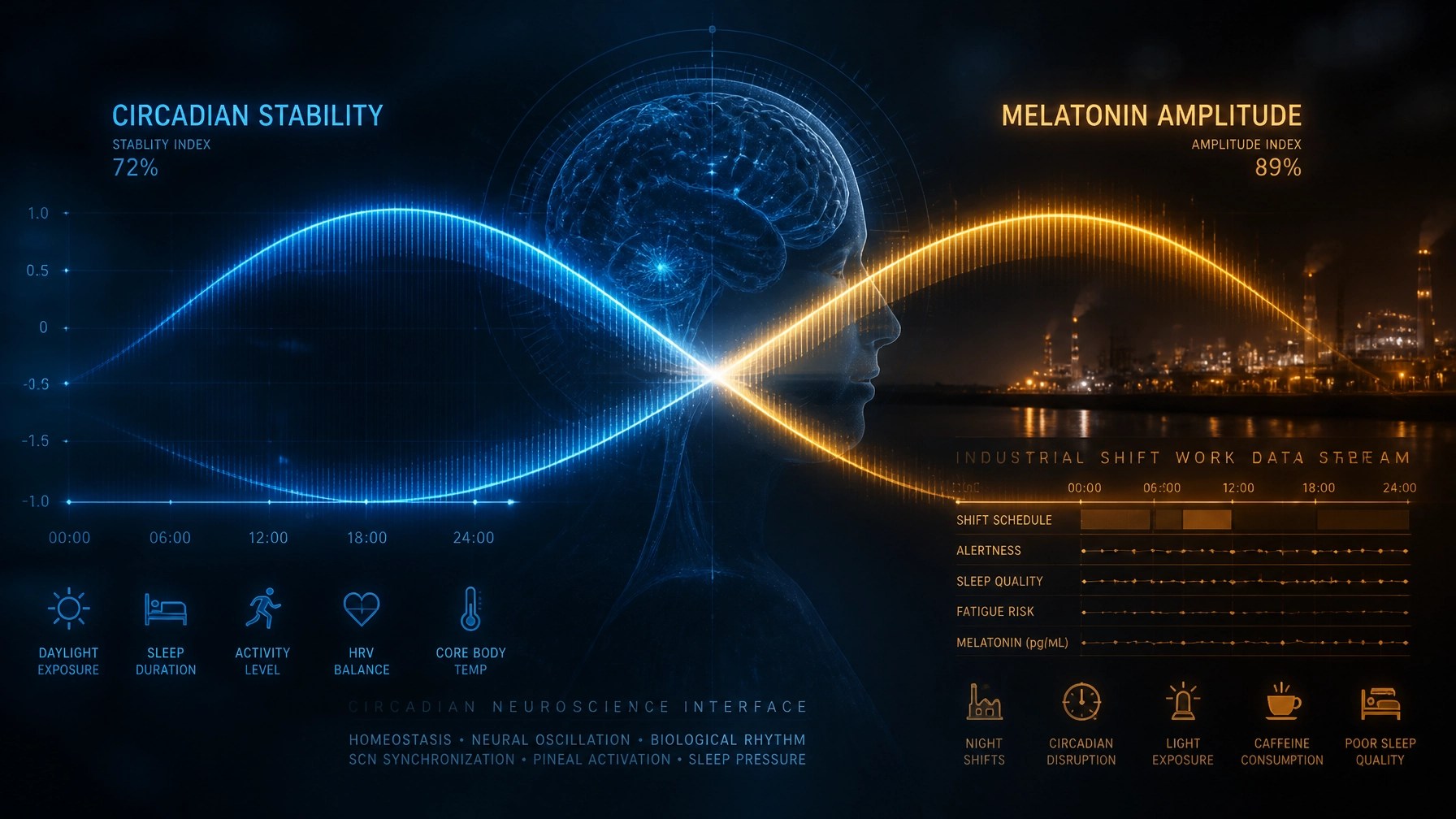
Simultaneously, the physiological baseline of the operator is governed by forces far older than any safety policy written in a corporate office. Circadian stability and melatonin amplitude dictate whether the neural architecture can sustain incongruent response times or resist memory span degradation during extended shifts. When nighttime operational pressures collide with circadian dampening, the margin for error evaporates not because an individual stopped caring, but because the biological machinery powering their attention has been starved of chemical synchronization.
That chasm between what we believe protects us and what actually drives our survival sits at the core of The Quantum Mind of Safety. Belief is anchored in doubt, relying on external validation, sign-off sheets, and lagging indicators to reassure leadership that the system is secure. Knowingness, by contrast, operates without doubt because it accepts the unyielding reality of neurobiological limits. The experienced professional who believes their tenure is a shield against catastrophe is operating on faith, while the actual science dictates that experience creates specific perceptual gaps that only deliberate, counter-intuitive self-awareness can expose.
Every hazard that slips past a veteran’s gaze represents a failure of the internal cognitive architecture when it is most heavily taxed by environmental load, thermal strain, and circadian debt. We spend millions auditing equipment while leaving the observer's own brain entirely unmeasured, assuming that a person who has survived twenty years without an incident is somehow immune to the laws of neural fatigue. That assumption is the deadliest variable on any industrial site.
Field Note: The Voluntary Vigilance Test
- Step 1: Walk your primary operational floor or workspace today and pause at three locations you pass daily without looking twice.
- Step 2: Force your eyes to scan for one specific hazard, maintenance defect, or procedural workaround that you have mentally dismissed as "normal background noise" for the past month.
- Step 3: Acknowledge that the moment you name the hidden hazard out loud, you break the automated perceptual filter that your expertise built. If you cannot name a single hazard you have stopped seeing, you are not actively managing safety; you are merely bearing witness to a system waiting for its next anomaly.
If the longest-serving safety professional on your site is the one with the most blind spots, what is the cost of the experience that has taught them not to see : and who pays for the gap between their confidence and their perception?
Scenes in this article are illustrative composites, not accounts of specific events.