
It was 2:47 a.m. on a graveyard shift at a Gulf Coast petrochemical unit when the pressure differential on a hydrocracker feed line started drifting outside its normal band. Nobody noticed. The operator on console had four other units to babysit, the alarm was buried under forty other low-priority chirps, and the paper trail from three prior near-misses on that same valve train sat filed away in an incident management system nobody had time to mine. Forty minutes later, a relief valve lifted, flaring lit up the night sky, and the post-incident investigation turned up something infuriating: the pattern was there. It had been there for months. Three separate write-ups, worded differently by three separate technicians, all describing the same underlying failure signature : but because nobody connected the linguistic dots, the near-misses stayed siloed as isolated "one-off" events instead of a screaming pattern.
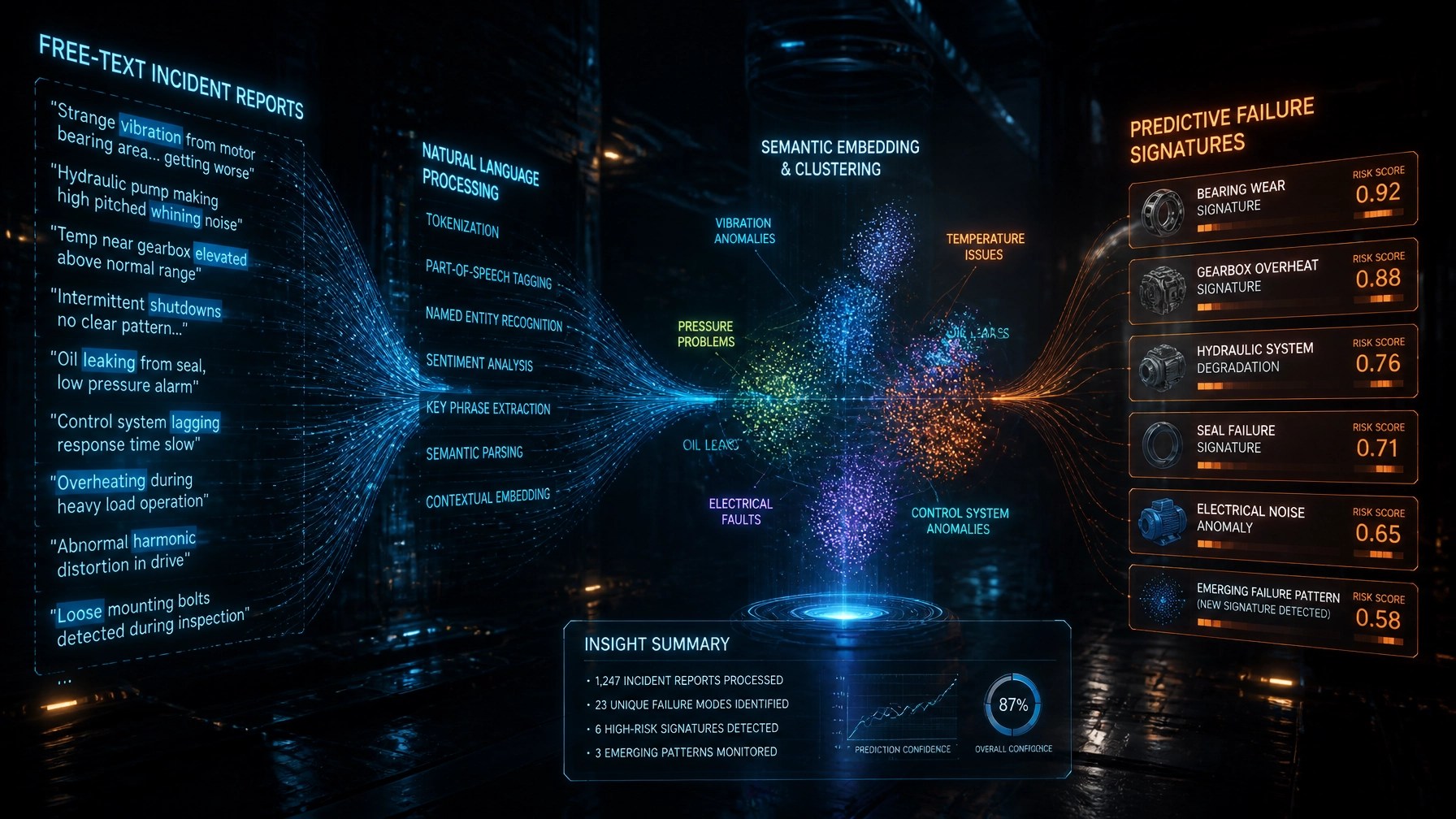
Khairuddin et al. (2022) demonstrated in their systematic review on text-based analytics published in Frontiers in Public Health that machine learning classification models applied to occupational incident narratives can achieve meaningfully accurate predictions of injury severity and causal category based purely on narrative text features combined with structured metadata. The words your workers write in incident reports contain predictive signal. The problem is that human beings cannot manually cross-reference thousands of incident narratives fast enough to catch the pattern before the metal fails. The data is there. The tools to read it at scale exist. The question is whether the system is designed to listen.
Belief always carries a trace of doubt; knowing does not. The organization that believes its incident reporting database is clean, complete, and fully understood is operating on belief, not knowingness. The knowingness lives dormant in the free-text fields where a tired technician typed out “valve felt spongy during seating” six months before the catastrophic rupture. The pattern is woven into the administrative sediment of every safety management system across industrial corridors.
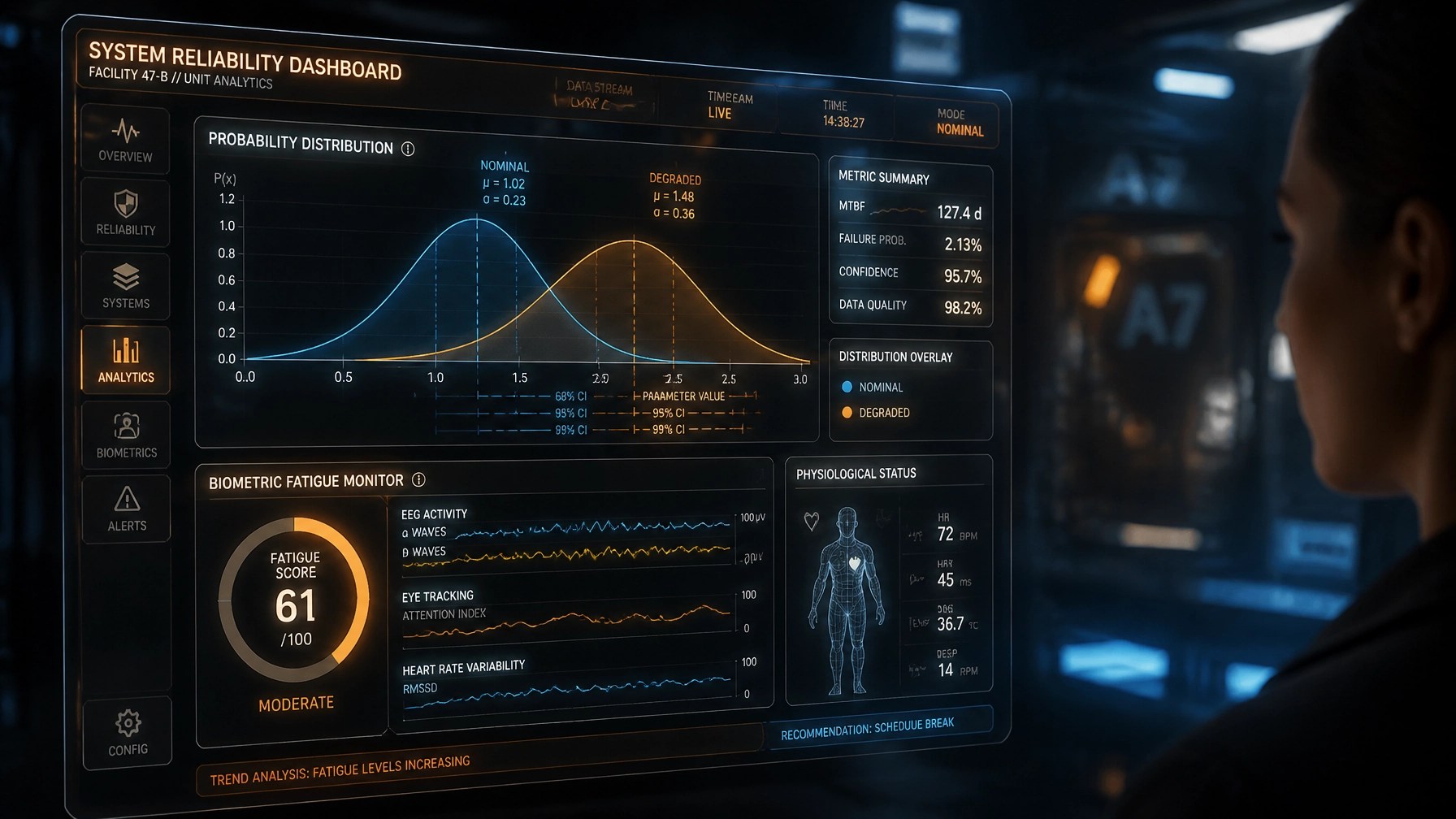
When an operator's prefrontal cortex is flooded with cortisol and catecholamines during a rotating shift cycle, the cognitive bandwidth required to synthesize disparate historical incident notes vanishes. The brain defaults to immediate survival and short-loop prioritization. The linguistic markers of degradation: words like "hesitation," "binding," "unusual resonance," or "workaround": accumulate in databases as unstructured noise. Natural language processing models ingest that exact noise and surface the hidden architecture of imminent failure. Yet organizations continue to audit lagging indicators while the predictive signal sits unread in digital filing cabinets.
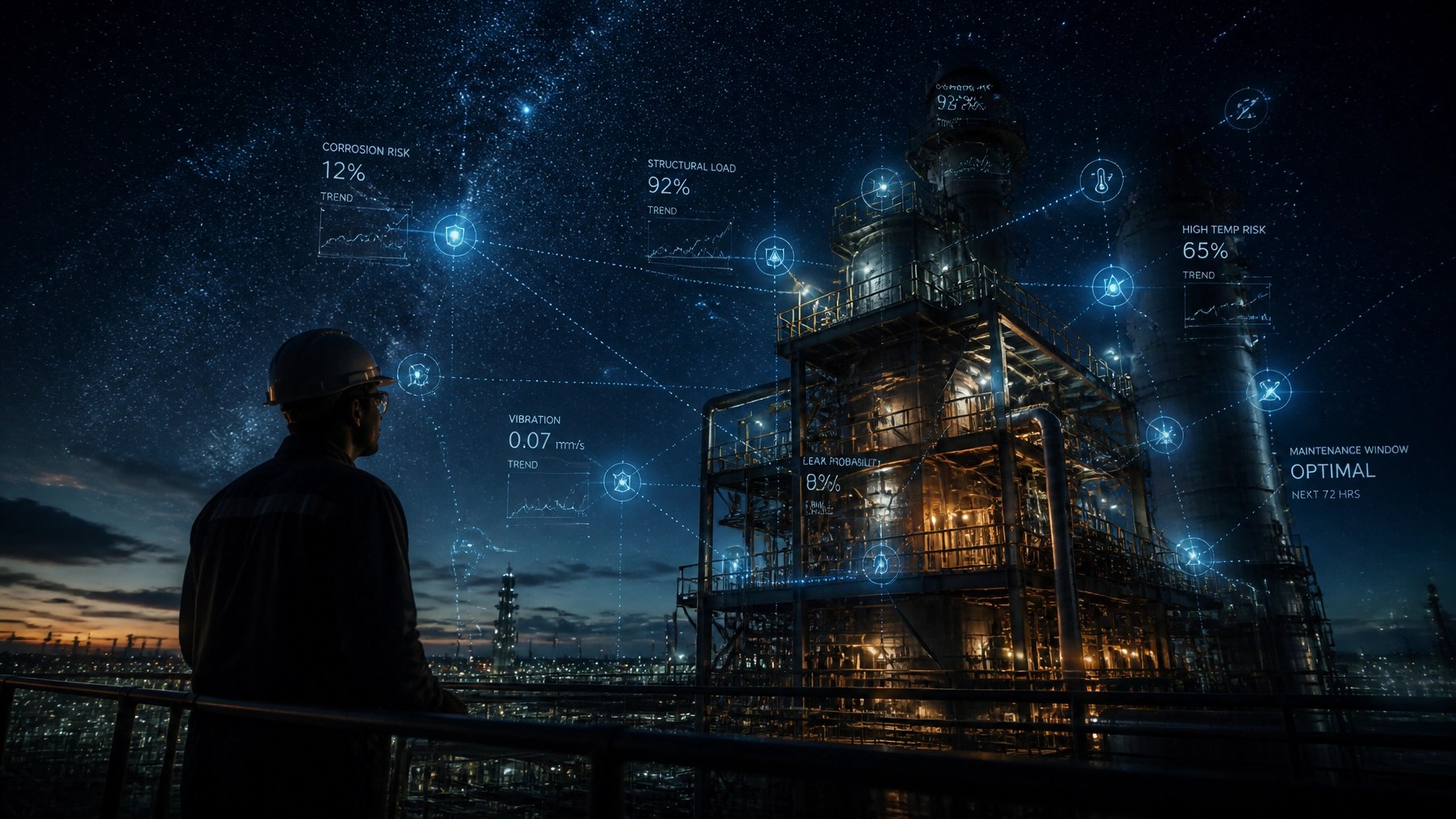
Field Note: The Narrative Mining Protocol
Pull the last 100 incident reports from your system today. Do not look at the severity codes, the departmental categorizations, or the closed-loop checkboxes. Read only the free-text narrative fields typed by the workers on the floor. Look for repeating equipment names, recurring verbs of friction, and specific time windows where anomalies cluster. The pattern you find in those first 100 narratives is the exact pattern your system has been ignoring while waiting for the next catastrophe to justify its existence.
If the pattern that predicts your next serious injury is sitting in the free-text fields of your incident reports, who is mining that data : and what is the cost of the narratives you filed but never read?
Scenes in this article are illustrative composites, not accounts of specific events.