
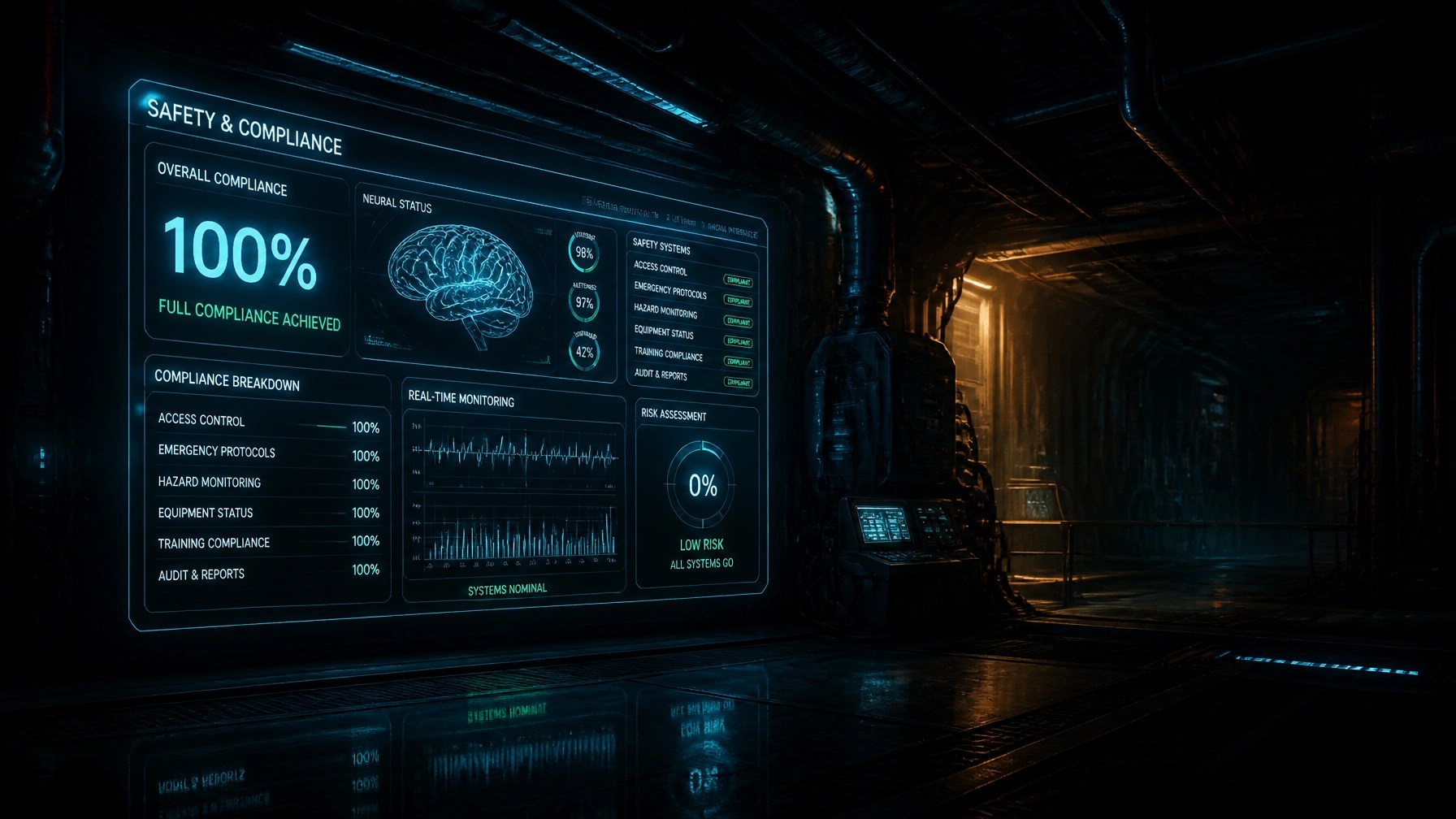
The binder sits on the edge of the mahogany table, thick with plastic tabs and pristine checkmarks. Every box has been ticked in black ink. Every signature is dated within the correct window. The percentage at the bottom of the executive summary glows with the absolute certainty of a system that has declared total victory over entropy: one hundred percent compliant. The facility is, on paper, a fortress of procedural perfection.
Out on the catwalk, thirty feet above the compressor deck, the operator leans against the railing and listens to a valve that is singing a frequency it shouldn't. The sound is low, rhythmic, and wrong. He doesn't write it down on a corrective action card because the last three times he reported a subtle vibration, the ticket was closed out as "within operating parameters" by an analyst three states away who looked at a static trendline on a screen. The audit is certain. The crew is uncertain. The gap between what the paperwork measures and what the floor feels is the exact distance where catastrophic failures are born.
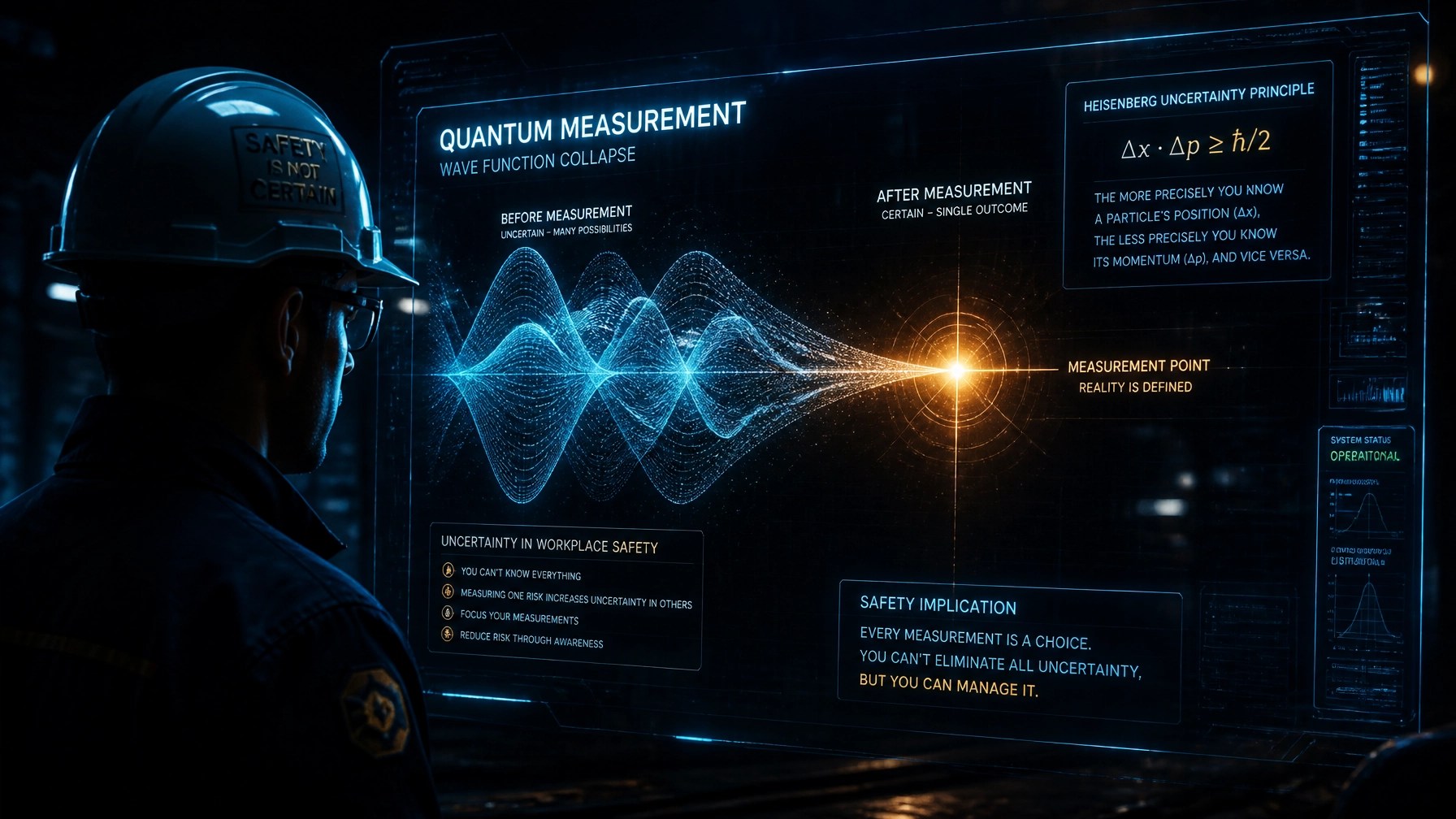
When you lock your entire operational worldview onto a single metric like total recordable incident rate or procedural compliance percentage, you trigger a fundamental law of systemic observation. The Quantum Safety framework identifies this as the Uncertainty Principle: the more precisely you attempt to pin down one variable, the less precisely you can perceive the actual, breathing reality of the system. The act of measurement itself distorts the environment it seeks to protect.
Consider what happens when a digital monitoring architecture begins tracking every anomaly. A 2026 interview study of hospital doctors in the Journal of Medical Internet Research (Newton and colleagues, DOI: 10.2196/78676) describes alert fatigue: alerts stop registering once many of them are irrelevant or repetitive. The more alarms the system measures and fires off, the less the human operator hears any of them. The measurement apparatus alters the operator’s nervous system, dulling the very vigilance it was designed to amplify.

Arguing with reality will always cause you pain. See things as they are without judgment. When executive leadership looks at a clean audit sheet and insists that the facility is secure because the spreadsheet says so, the organization is engaging in a violent argument with reality. The pain of that incomplete measurement arrives not as a gentle warning, but as an unpredicted incident that shutters operations for weeks. The dashboard is quiet because the sensors have been trained to ignore what they cannot easily categorize, leaving the human beings on the floor to absorb the unmeasured shockwaves of daily operational drift.
Field Note: The Measurement Choice Audit
For every safety metric you currently track on your executive dashboard, execute the following protocol immediately:
- Identify the metric (e.g., TRIR, audit completion rate, near-miss closure velocity).
- Write down the exact blind spot created by that metric: what specific human behavior, cultural tension, or physical degradation does this number completely erase?
- Interview three frontline workers on the floor this week and ask them what hazard is currently being masked by a passing grade on paper.
- Establish a qualitative feedback loop that carries the unmeasured reality of the floor directly to the leadership table without filtering it through a compliance score.
If the audit says 100% compliant but the crew says the facility is not safe, which measurement are you trusting : and what is the cost of the certainty that blinds you to the uncertainty that matters?
Scenes in this article are illustrative composites, not accounts of specific events.