
The smell of pressurized hydraulic fluid is a permanent part of Frank’s skin. He doesn’t notice it anymore, the same way he doesn’t notice the rhythmic thrum of the Line 4 press: a vibration he’s felt in his marrow for twenty-two years. Frank knows that machine’s heartbeat better than its own designers. He can tell you when a bearing is three shifts away from seizing just by the way the floor plates hum under his boots. He is the institutional memory of this floor, a living library of every failure mode, every quirk, and every narrow escape this facility has ever seen.
Last Tuesday, he watched a hairline fracture spiderweb across the primary manifold of that press. He stood there, hands in his pockets, watching the fluid weep in a slow, rhythmic drip. He didn't reach for his tablet. He didn't call the maintenance lead. He didn't even mention it in the shift handover. He just watched the red liquid pool on the gray epoxy floor, a silent witness to a disaster he knew was coming.
Three times before, he had flagged that specific manifold. The first time, he filed a formal report and was told the parts were on backorder. The second time, he cornered the plant manager, who nodded and told him they’d "look into the budget." The third time, he was told that if the press wasn't down, it wasn't a priority. The fourth time the manifold showed signs of stress, Frank didn't move. He didn't flag it. He had been trained: not by a manual, but by the relentless, crushing weight of a system that rewarded his silence with less friction and punished his vigilance with administrative dead ends.
Five days later, the manifold turned into shrapnel.
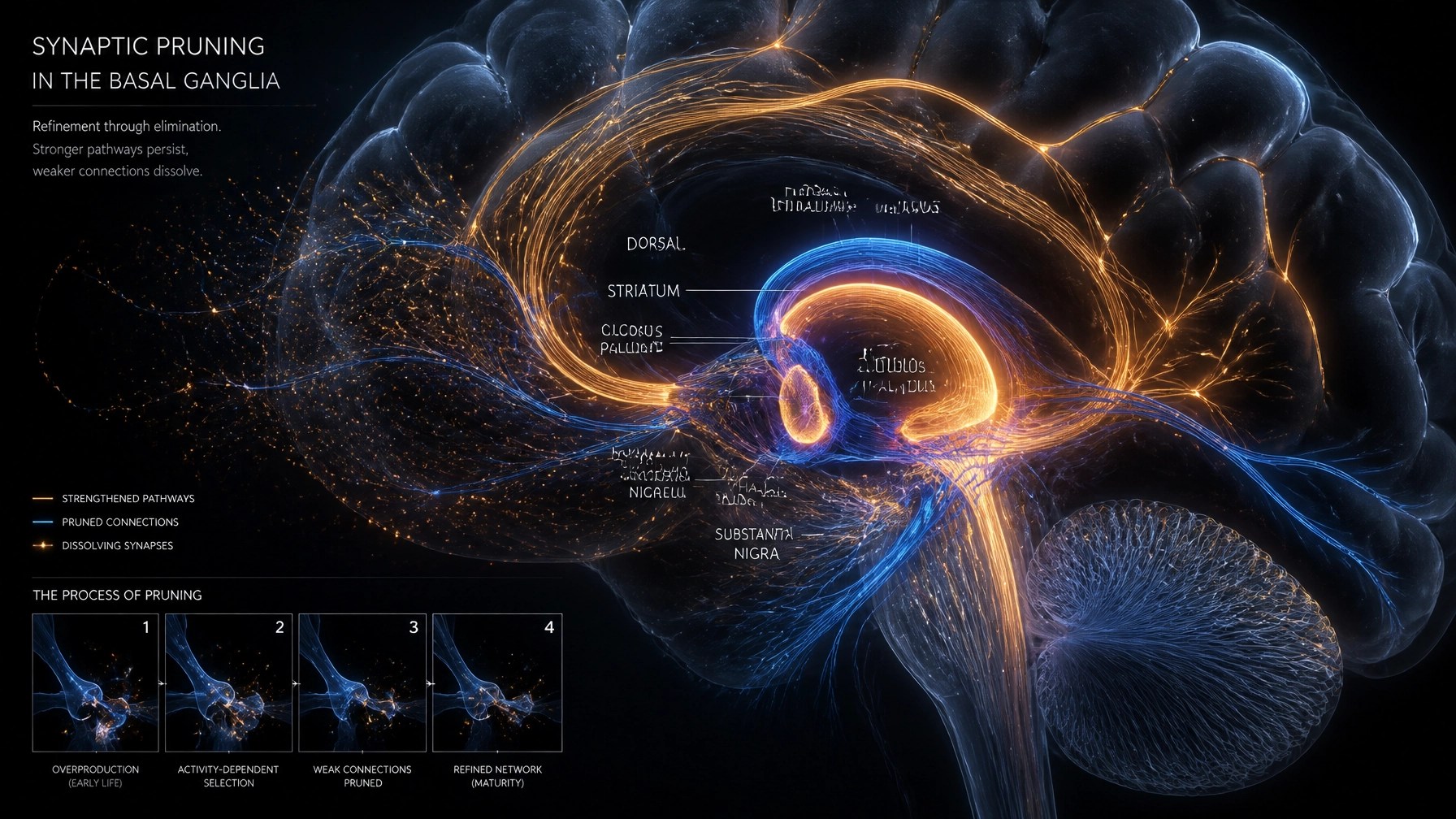
Frank isn't lazy. He isn't apathetic. His brain is simply performing a miracle of biological efficiency. Deep inside his skull, the basal ganglia: the ancient, walnut-sized structure responsible for action selection: has been running a cold, hard calculation. This is the circuit that decides which behaviors are worth the metabolic cost of execution. When Frank used to see a leak, his direct pathway would fire, facilitating the "Go" signal to report the hazard. He expected a reward: the leak gets fixed, the floor is safe, and his expertise is validated.
But every time he pushed that "Go" button and received a null result, his brain began to rewrite its own map. The basal ganglia learns from outcomes, or the lack of them. When a behavior produces no change in the environment, the brain tags that neural pathway as redundant. It is a process of synaptic pruning. The connections that once linked the sight of a safety hazard to the action of reporting it began to wither and dissolve. The system didn't just ignore Frank; it effectively lobotomized his professional vigilance.
We often talk about experience as an accumulating asset, a library that only grows. In reality, experience is a garden that the environment constantly prunes. Frank’s twenty years of knowledge are still there, but the bridge between that knowledge and the outside world has been dismantled by the very organization that relies on it. He is a Guardian who has been forced into a permanent freeze. His brain has learned that silence is the only path that doesn't lead to the frustration of a dead end.
When you can steady your mind and your thoughts, you steady the state you broadcast. Frank is still broadcasting. He is a high-frequency sensor for industrial risk, but the “vibration” he is broadcasting now is one of futility. He has adjusted his internal frequency to match the silence of the management suite. If the system doesn’t want to hear the truth, his brain eventually decides that the truth is no longer worth the energy of being spoken.
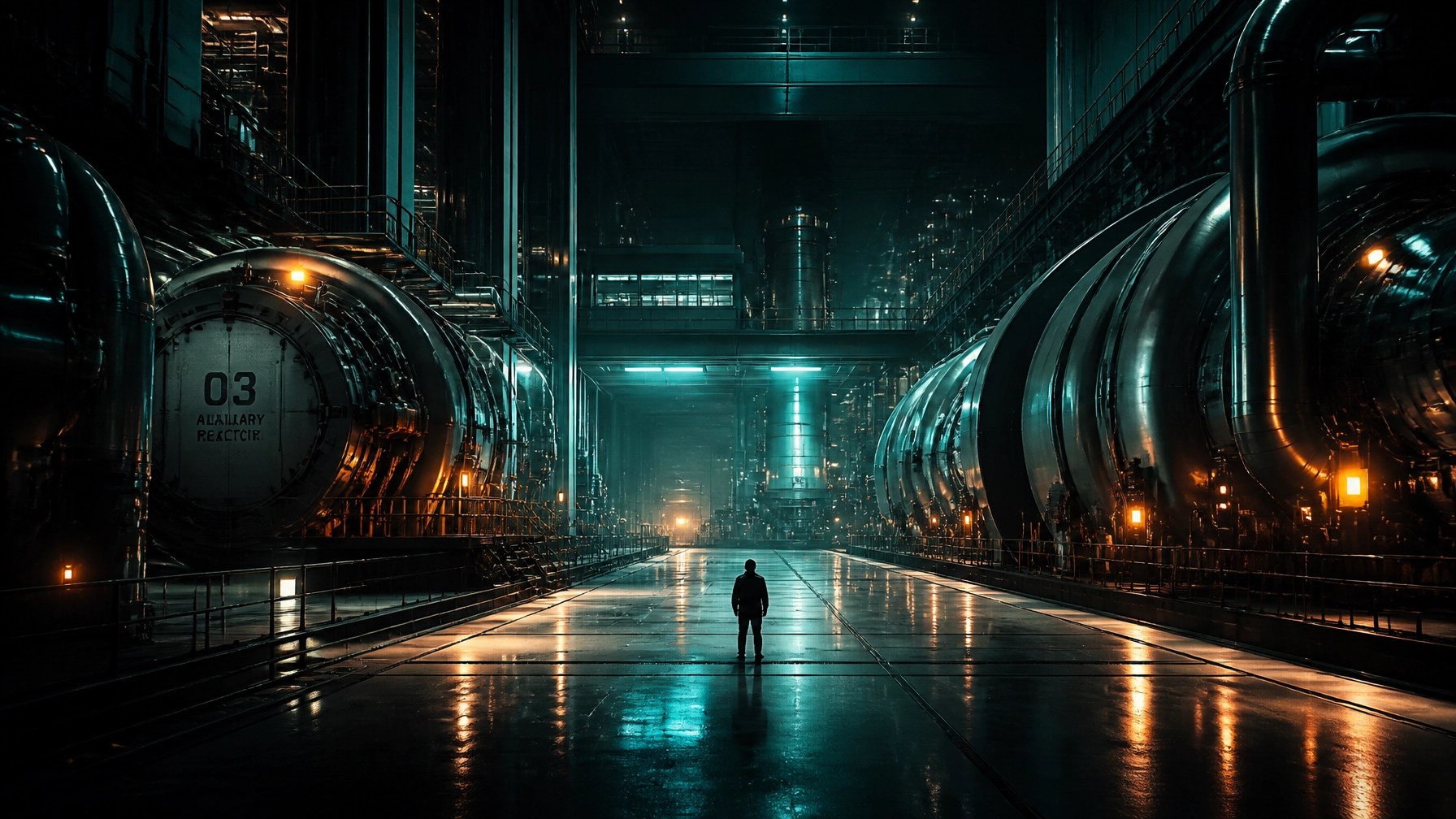
The cost of this untrained experience is a debt that most organizations don't realize they are carrying until the "shrapnel" hits the floor. You might have the most experienced workforce in your sector, a roster of veterans who have seen every failure mode imaginable. But if your internal reporting systems have spent the last decade ignoring their signals, you don't have an experienced workforce: you have a collection of silent observers. You have trained your best people to suppress the very expertise you pay them for.
This isn't about morale or "culture" in the soft sense. This is about the hard-coded architecture of the human brain. We are outcome-seeking machines. When the outcome of a safety flag is "nothing," the brain eventually stops sending the flag. It is a survival mechanism. To continue shouting into a void is a form of madness, and the brain is too practical for that. It would rather prune the pathway and let the manifold explode than continue to expend energy on a behavior that the system has deemed irrelevant.
The tragedy of the veteran who stops flagging is that they still see the risk. They still feel the "wrong" vibration in the floor. They still smell the leak before it becomes a pool. But they have learned to live with the tension of knowing a disaster is coming and the certainty that no one will listen. They become ghosts in your machine, haunted by the failures they were trained to ignore.

When the manifold on Line 4 finally gave way, it didn't just break the press. It broke the last remaining thread of Frank’s connection to the organization's mission. He watched the emergency crews rush in, heard the alarms, and saw the frantic meetings behind glass walls. He knew exactly what had happened and why. But when the investigators asked him if he’d seen anything unusual leading up to the failure, Frank just shrugged and said he hadn't noticed anything.
His basal ganglia had completed the task. The pathway was gone. The "vibration" of the facility had changed, and he had changed with it. The system got exactly what it had spent twenty years building: a silent, efficient, and perfectly compliant witness to its own disintegration.
Field Note: The Experience Audit
To understand the health of your organizational broadcast, you must go to the source of the silence. This is not a survey or a town hall. This is a targeted extraction of the signals your system has trained its people to suppress.
- Identify the Anchors: Locate the three most experienced operators or supervisors in your most critical department: the people who have been there through multiple leadership changes and equipment cycles.
- The Direct Inquiry: In a private, low-stakes environment, ask them: "What is the one safety issue or equipment quirk you have stopped reporting because reporting it produced no change in the last year?"
- The Delta Analysis: Compare their answers to your official risk register. The gap between what they know and what your system "records" is the precise measure of your organizational neural pruning.
- The Restoration Protocol: Take one of these "ignored" issues and resolve it immediately, with high visibility back to the veteran who raised it. You are attempting to regrow a pruned pathway; it requires a high-intensity "reward" signal to overcome the brain’s established bias toward silence.
What is the most experienced person in your organization currently not telling you: and how many times did they have to be ignored before they learned to stop?
Scenes in this article are illustrative composites, not accounts of specific events.