
Two heavy industrial presses, identical in every bolt and hydraulic line, sat humming in parallel bays under the glare of midnight sodium lights. On bay three, the primary feed stuttered with a metallic shriek that vibrated straight through the concrete floor into my boots. In bay four, exactly forty minutes earlier, the identical feed had stuttered with the exact same shriek. In bay four, a veteran line supervisor named Miller caught the harmonic anomaly on the third vibration, slammed the emergency stop, and locked out the breaker before the feeder arm could fracture. In bay three, the operator stared blankly at the control panel while the steel arm snapped, driving a two-ton structural fragment through the safety cage three inches from a technician's ribs.
The machinery was identical. The shift schedule was identical. The standard operating procedure was identical. The archetype profile of the crew was identical. Yet one sequence ended in a routine equipment reset and a cup of lukewarm coffee, while the other ended in silence, flashing red strobes, and an investigation team staring at twisted steel. The difference between a near-miss and a fatality was not the mechanical stress tolerance of the steel. It was not the ambient temperature or the phase of the moon. The difference was the observer. The observer in bay four was regulated, scanning, and neurologically tuned to the micro-vibrations of the floor. The observer in bay three was fatigued, cognitively depleted, and absent behind a wall of internal noise. One person, in one fraction of a second, possessed the physiological bandwidth to see the trajectory of a catastrophic failure and interrupt it before the threshold was crossed.
When we examine the mechanics of high-consequence operations through the lens of the PERSONA SIF™ framework, we confront the raw reality of ThresholdIQ: the precise neurological window in which an observer detects a serious injury or fatality trajectory before it breaches containment. That detection capacity is not a static trait written into a job description or verified by an annual training certificate. It is a shifting biological state governed by real-time autonomic activity. A 2025 lab study of 34 young adults (Boffet and colleagues, Sensors) found that combining electrodermal activity with heart rate variability distinguished levels of cognitive load better than either signal alone. The body’s autonomic signals may carry early warning of overload before anyone on the floor notices a change.
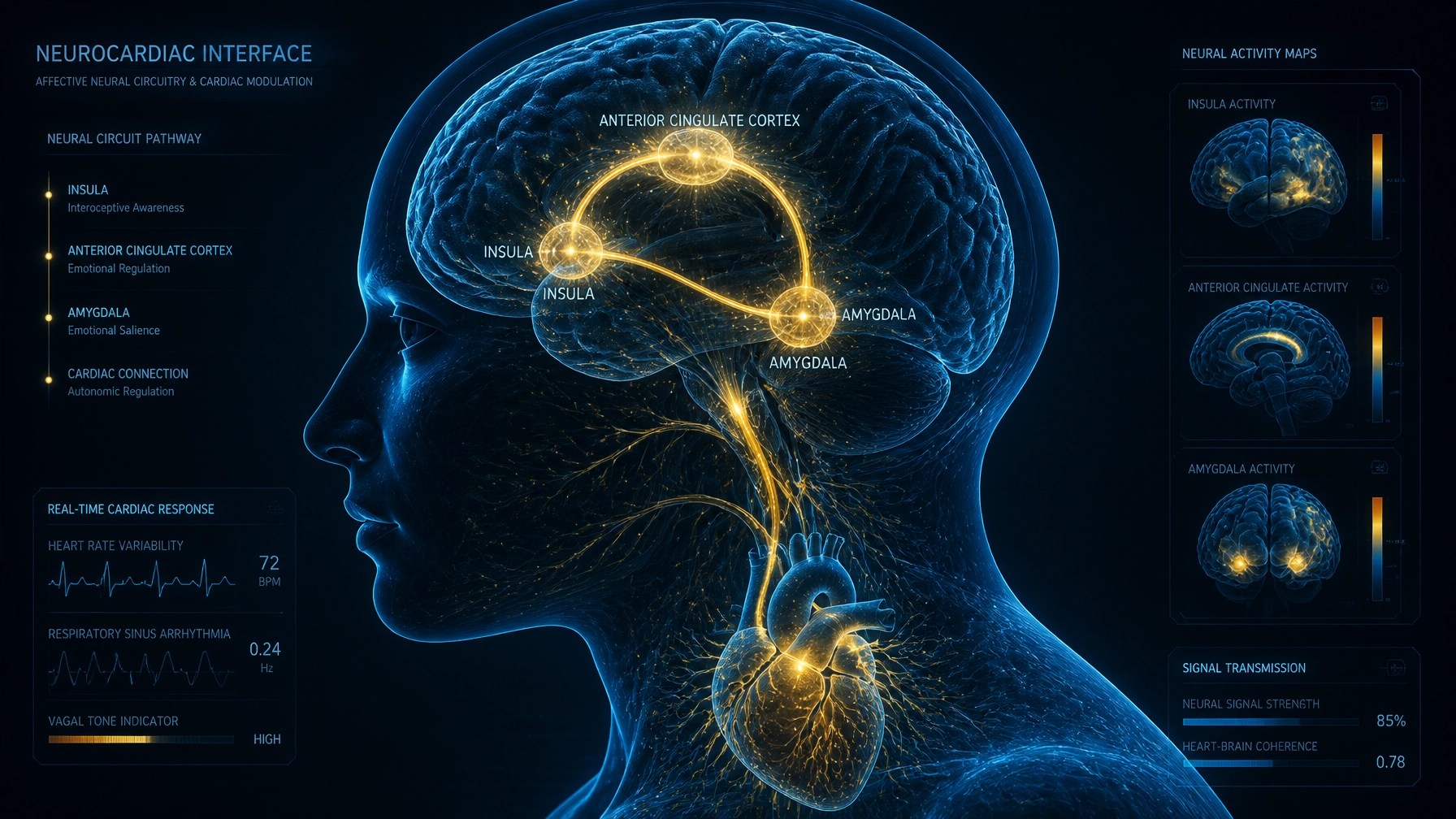
Beneath that autonomic shift lies a deeply wired neurobiological architecture. Brain regions including the insula, the anterior cingulate cortex and the amygdala are closely tied to how the heart responds under psychological stress. These brain structures do not merely process emotions; they calculate threat, allocate attentional bandwidth, and regulate the observer’s physiological state. When an observer’s internal systems are flooded by chronic sleep debt, unmanaged stress, or cognitive overload, the insula and anterior cingulate cortex lose their regulatory grip on the autonomic nervous system. The observer’s threshold for detecting danger rises, blinding them to the subtle precursors of disaster.
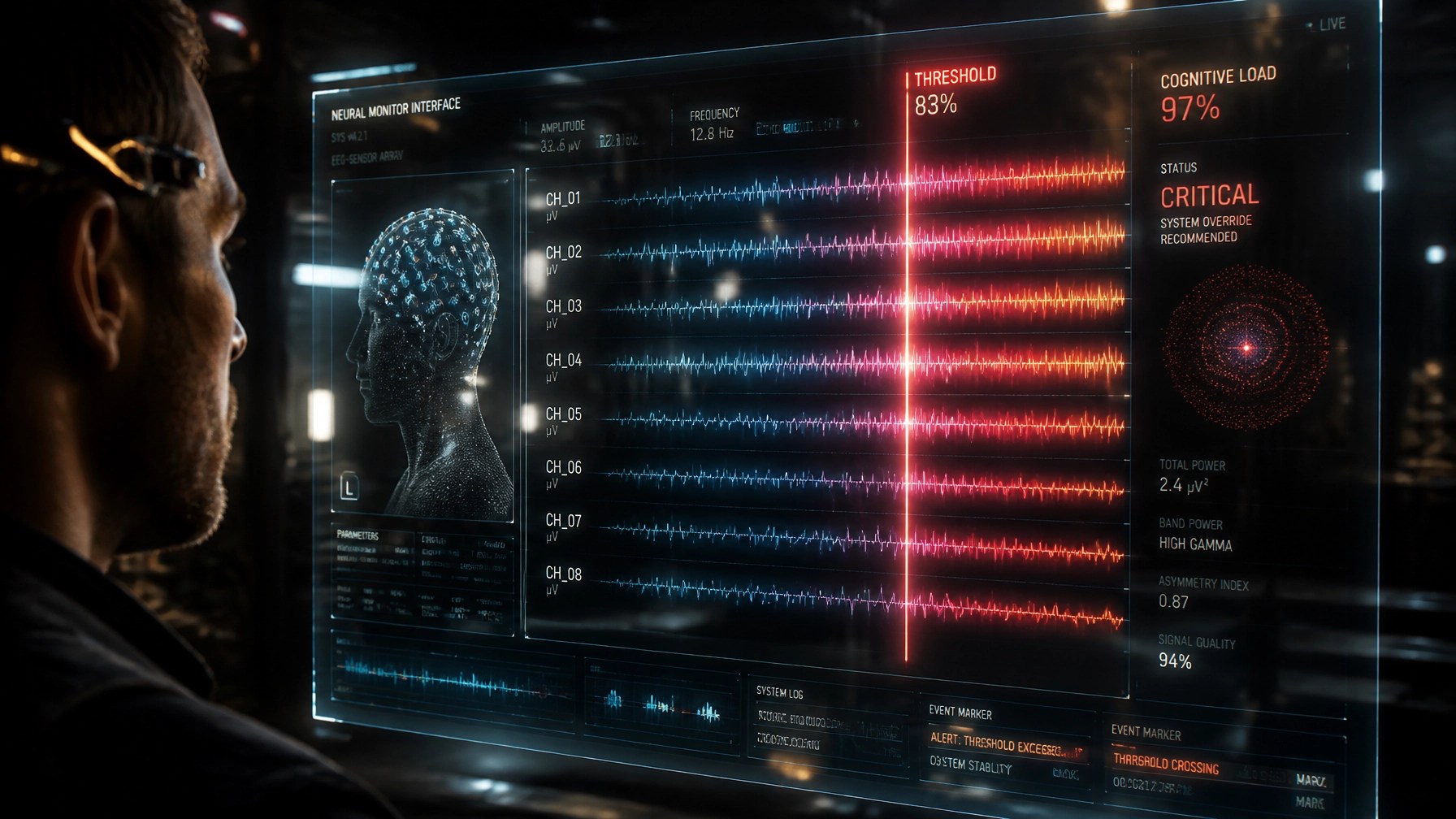
Mental regulation dictates sensory perception and operational survival. When you can steady your mind and your thoughts, you steady your emotions and the state you broadcast to everyone around you. In high-stakes industrial environments, this principle translates into hard neurobiology. The observer who actively masters their internal state maintains high coherence, sharpens their insular cortex sensitivity, and detects the micro-fractures in an operational sequence before the SIF threshold is crossed. The observer who surrenders their internal state to distraction, fatigue, or unmanaged emotional noise becomes the missing barrier that turns a routine near-miss into an irreversible fatality.
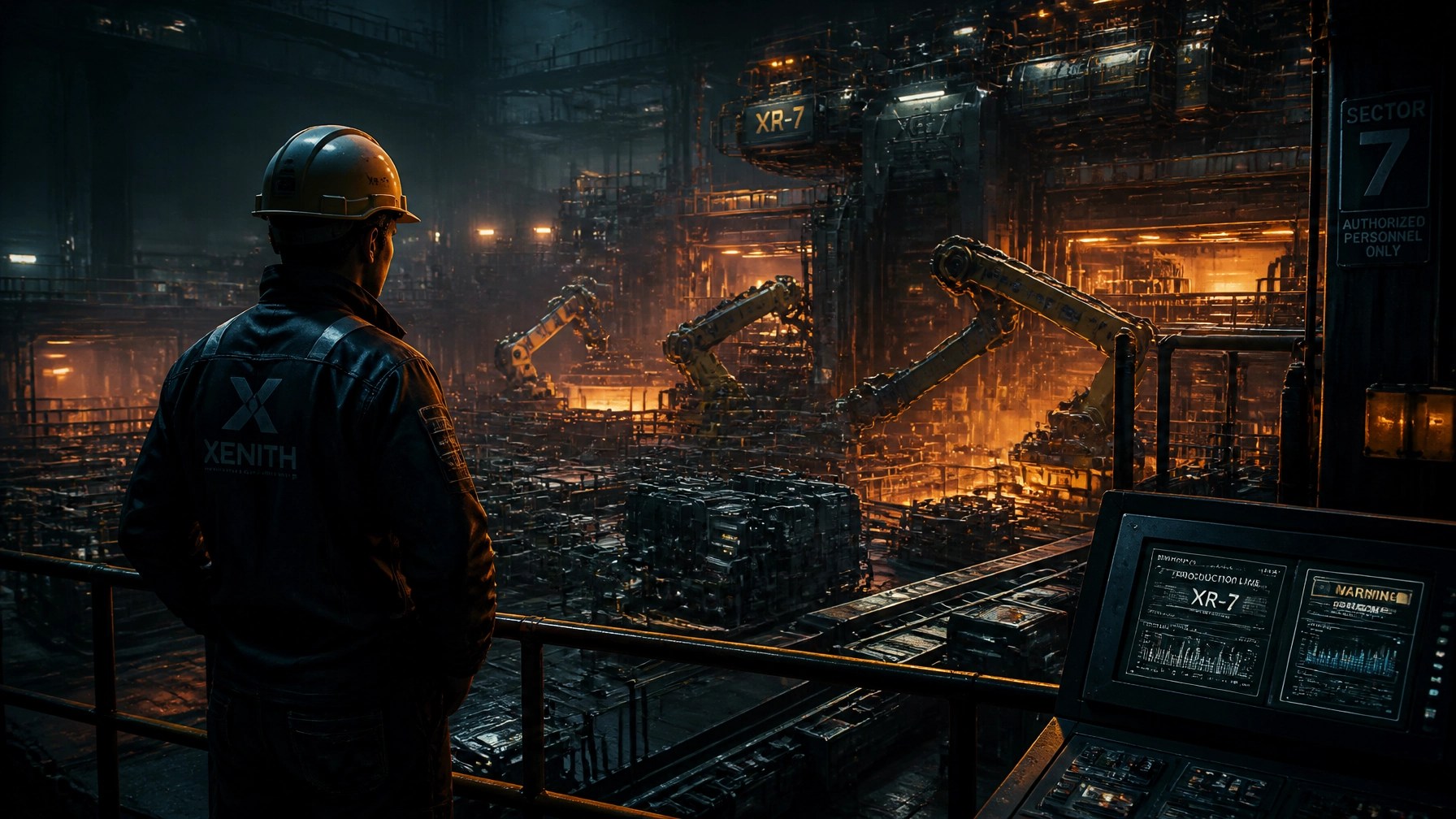
The physical environment does not forgive the dysregulated mind. When an operator or a supervisor operates from a depleted autonomic baseline, their capacity to process incoming sensory data collapses into tunnel vision. The subtle acoustic shift, the fractional delay in hydraulic return, the micro-wobble in a gantry crane: all these vital telemetry signals are filtered out by a brain desperately trying to conserve energy under high cognitive load. The transition from a safe operating envelope to a catastrophic failure is governed entirely by whether the human stationed at the monitoring console has the neural bandwidth to perceive the drift.
Field Note: The ThresholdIQ Check
Before any high-consequence task begins, conduct an immediate operational assessment focused not on the machinery, not on the permits, and not on the workers in the line of fire. Check the observer.
- Assess autonomic baseline: Evaluate whether the observer shows signs of acute circadian fatigue, cognitive tunnel vision, or unmanaged stress reactivity.
- Verify physiological regulation: Ensure the supervisor or safety monitor has rotated out of high-demand decision fatigue zones rather than pushing through continuous micro-decisions.
- Test perceptual bandwidth: Confirm that the individual responsible for scanning the operation possesses the active neural clarity required to detect early SIF precursors.
- Validate role integrity: Recognize that an observer whose physiological state is compromised is no longer an active safety barrier; they are merely a witness waiting for an accident to occur.
If the difference between a near-miss and a fatality is one person's ability to detect the SIF threshold before it is crossed, who is watching the watcher : and what is the cost of the observer whose state is too compromised to see what is coming?
Scenes in this article are illustrative composites, not accounts of specific events.